보다
이벤트
블로그
시장
페이지
더
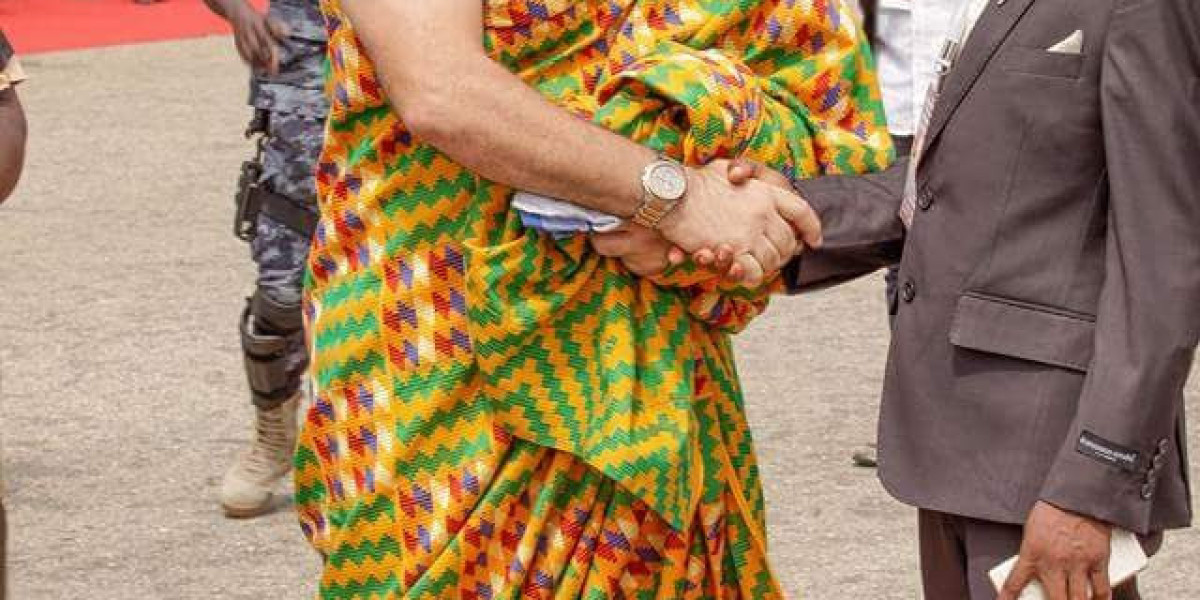
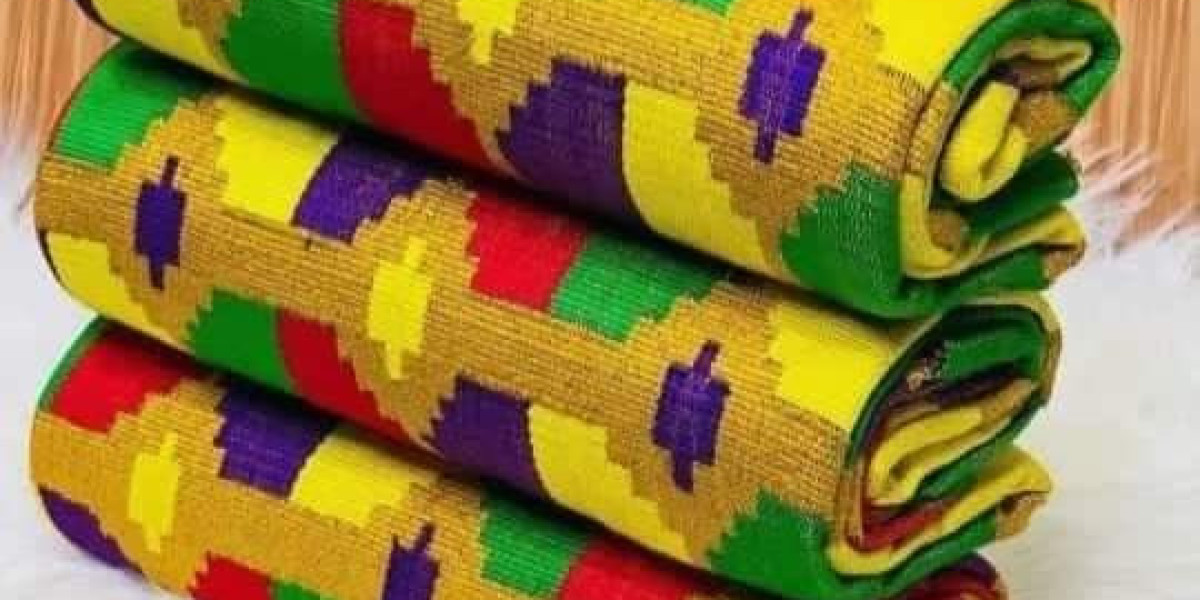
Ewe Kente is an ancient textile tradition from the Ewe people of Ghana and Togo. Here's a brief history of how Ewe Kente started:
Ewe Kente is an ancient textile tradition from the Ewe people of Ghana and Togo. Here's a brief history of how Ewe Kente started: *Origins* - 17th century: Ewe people migrated from the Ashanti Kingdom to present-day Ghana and Togo. - They brought their textile traditions, including kente weaving. *Influence of Ashanti Kente* - Ewe Kente was heavily influenced by Ashanti Kente, adopting similar designs and techniques. - Ewe weavers incorporated their own unique symbols, colors, and patterns. *Development of Ewe Kente* - 18th-19th centuries: Ewe Kente evolved distinctively, reflecting Ewe culture and history. - Weavers developed intricate designs, using cotton and silk threads. - Ewe Kente became renowned for its vibrant colors, geometric patterns, and symbolic motifs. *Traditional Significance* - Ewe Kente was reserved for royal and ceremonial use. - Cloth symbolized wealth, status, and spiritual connection. - Weavers passed down techniques and designs through generations. *Modern Ewe Kente* - 20th century: Ewe Kente gained international recognition. - Contemporary designers incorporated modern techniques, materials, and styles. - Ewe Kente continues to thrive, balancing tradition and innovation. Key figures in Ewe Kente history: - Togbega Gonu III (18th-century Ewe king): promoted kente weaving. - Kofi Agorsah (20th-century Ewe artist): revitalized Ewe Kente. *Sources*: - "Ewe Kente: The Royal Cloth of the Ewe" by G. K. Nutor - "The Art of Ewe Kente" by J. H. Kwami - "Ewe Textiles" by R. A. Lawrance Would you like more information on Ewe Kente or its history?
10 블로그 게시물
더 로드
항목을 구매하려고 합니다. 계속하시겠습니까?