보다
이벤트
블로그
시장
페이지
더
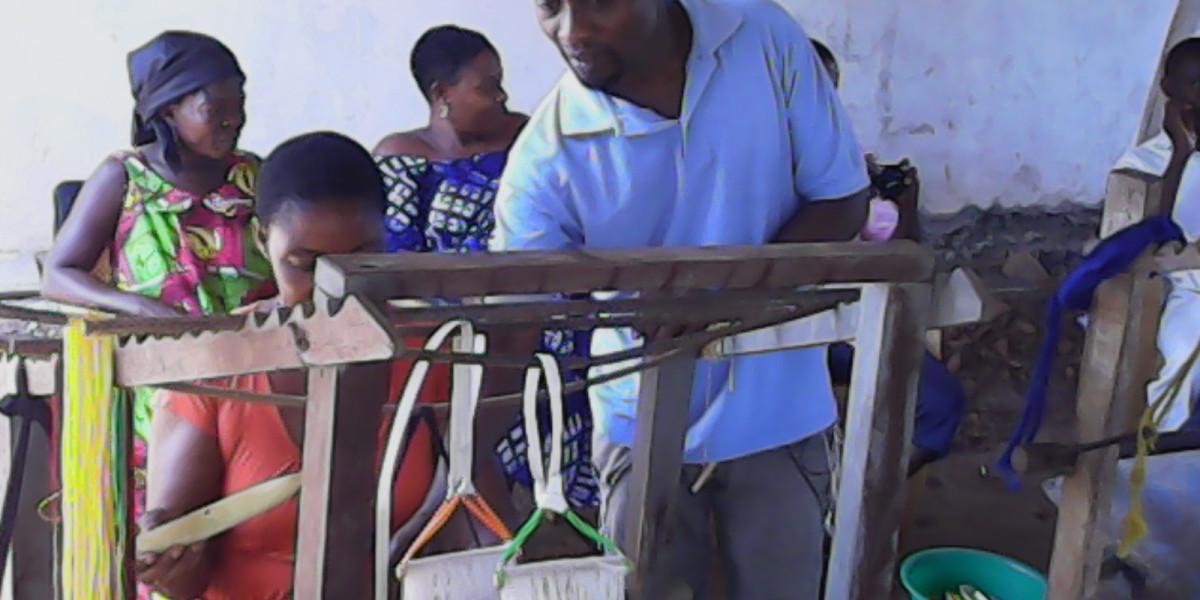
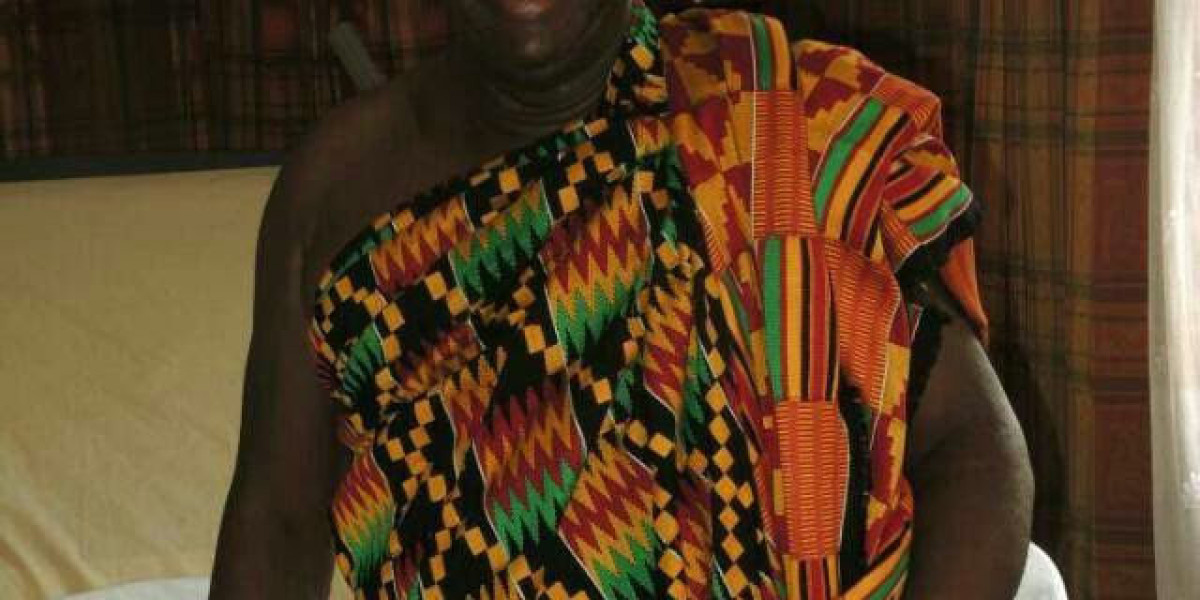
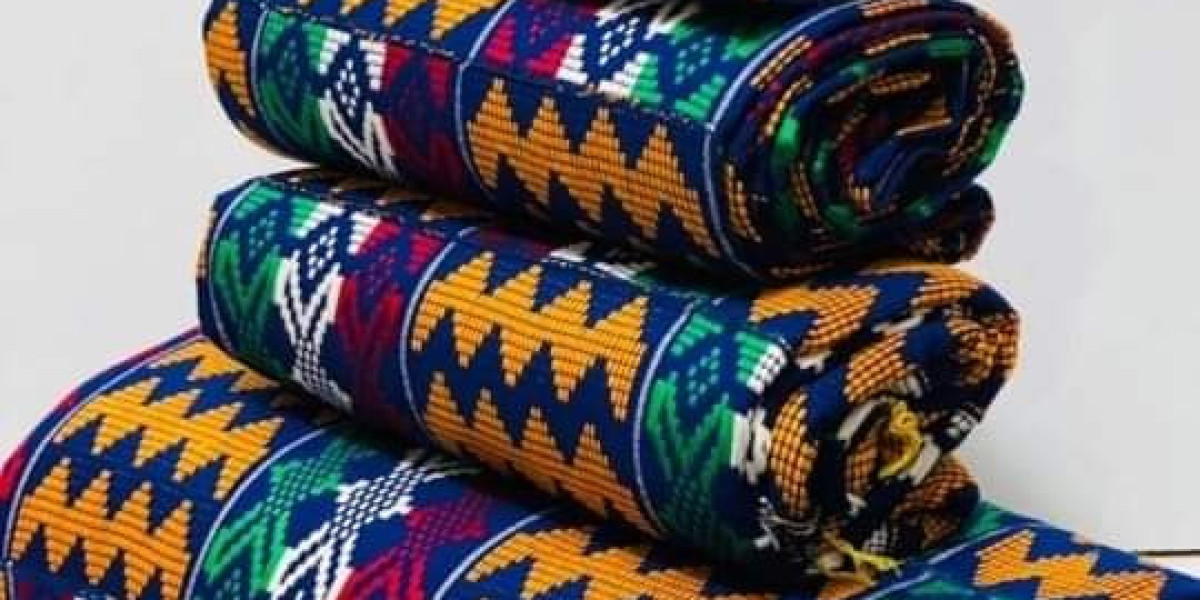
Kente Weaving is a specialized craft characterized by intricate techniques passed down generations among the Ewe and Akan people of Ghana
Kente weaving is a specialized craft characterized by intricate techniques passed down through generations among the Ewe and Akan people of Ghana, particularly the Ewe. Here's an overview of the traditional Kente weaving techniques: The Loom Horizontal Strip Loom: Kente is woven on a horizontal strip loom, which is portable and allows weavers to work in various locations. This loom consists of: Heddle: A wooden frame with loops through which the warp threads pass, allowing for the creation of patterns through lifting and lowering of threads. Shuttle: A tool used to pass the weft thread through the warp threads. Treadles: Pedals that control which threads are raised or lowered, though traditional Kente weaving often does not use treadles but relies on manual manipulation. Weaving Process Warp Setting: The warp threads, which run the length of the fabric, are set up first. They are stretched from one end of the loom to the other, held in place by rods or sticks at the back and front of the loom. Pattern Planning: Before weaving begins, the weaver plans the pattern. Kente patterns are often symbolic, representing proverbs, historical events, or social status. The weaver must decide the sequence of colors and the type of pattern (simple, complex, or symbolic). Weaving: Shedding: The weaver lifts or lowers specific warps to create a "shed" through which the weft thread will pass. This is done by hand or with a simple heddle mechanism, unlike more complex looms where treadles might control this. Picking: Using the shuttle, the weaver passes the weft thread through the shed. Beating: After each pass of the weft, the weaver uses a beater or the shuttle itself to push the weft thread tightly against the previous row, ensuring a tight weave. Creating Patterns: Strip Weaving: Each piece of Kente is made from narrow strips, usually about 4 inches wide. The complexity of the pattern depends on how many different colors or yarns are used and how they are manipulated. Interlocking Colors: For intricate designs, weavers might use a technique where they interlock colors at the edges of the strips to create sharp, visual contrasts or transitions. Finishing: Joining Strips: Once several strips are woven, they are sewn together side by side to form larger cloths. The seam is often invisible, showcasing the skill of the weaver. Fringe or Hemming: The ends might be left with a fringe or hemmed for a neat finish. Skills and Knowledge Design Knowledge: A Kente weaver must have an extensive understanding of traditional symbols, colors, and their meanings to weave culturally significant cloths. Manual Dexterity: The creation of complex patterns requires great skill in manipulating the loom without mechanical aids for some steps. Modern Adaptations While traditional methods are still highly valued, some modern adaptations include: Use of synthetic fibers alongside cotton and silk. Incorporation of more color-fast dyes. Experiments with scale, using larger or smaller looms for different effects or for teaching purposes. The preservation of this craft is not just about maintaining a weaving technique but also about keeping alive a cultural heritage that tells stories through textiles.
10 블로그 게시물
더 로드
항목을 구매하려고 합니다. 계속하시겠습니까?
 through generations among the Ewe and Akan people of Ghana, particularly the Ewe. Here's an overview of the traditional Kente weaving techniques: The Loom Horizontal Strip Loom: Kente is woven on a horizontal strip loom, which is portable and allows weavers to work in various locations. This loom consists of: Heddle: A wooden frame with loops through which the warp threads pass, allowing for the creation of patterns through lifting and lowering of threads. Shuttle: A tool used to pass the weft thread through the warp threads. Treadles: Pedals that control which threads are raised or lowered, though traditional Kente weaving often does not use treadles but relies on manual manipulation. Weaving Process Warp Setting: The warp threads, which run the length of the fabric, are set up first. They are stretched from one end of the loom to the other, held in place by rods or sticks at the back and front of the loom. Pattern Planning: Before weaving begins, the weaver plans the pattern. Kente patterns are often symbolic, representing proverbs, historical events, or social status. The weaver must decide the sequence of colors and the type of pattern (simple, complex, or symbolic). Weaving: Shedding: The weaver lifts or lowers specific warps to create a "shed" through which the weft thread will pass. This is done by hand or with a simple heddle mechanism, unlike more complex looms where treadles might control this. Picking: Using the shuttle, the weaver passes the weft thread through the shed. Beating: After each pass of the weft, the weaver uses a beater or the shuttle itself to push the weft thread tightly against the previous row, ensuring a tight weave. Creating Patterns: Strip Weaving: Each piece of Kente is made from narrow strips, usually about 4 inches wide. The complexity of the pattern depends on how many different colors or yarns are used and how they are manipulated. Interlocking Colors: For intricate designs, weavers might use a technique where they interlock colors at the edges of the strips to create sharp, visual contrasts or transitions. Finishing: Joining Strips: Once several strips are woven, they are sewn together side by side to form larger cloths. The seam is often invisible, showcasing the skill of the weaver. Fringe or Hemming: The ends might be left with a fringe or hemmed for a neat finish. Skills and Knowledge Design Knowledge: A Kente weaver must have an extensive understanding of traditional symbols, colors, and their meanings to weave culturally significant cloths. Manual Dexterity: The creation of complex patterns requires great skill in manipulating the loom without mechanical aids for some steps. Modern Adaptations While traditional methods are still highly valued, some modern adaptations include: Use of synthetic fibers alongside cotton and silk. Incorporation of more color-fast dyes. Experiments with scale, using larger or smaller looms for different effects or for teaching purposes. The preservation of this craft is not just about maintaining a weaving technique but also about keeping alive a cultural heritage that tells stories through textiles.