Kol saati
Olaylar
Blog
Piyasa
Sayfalar
daha
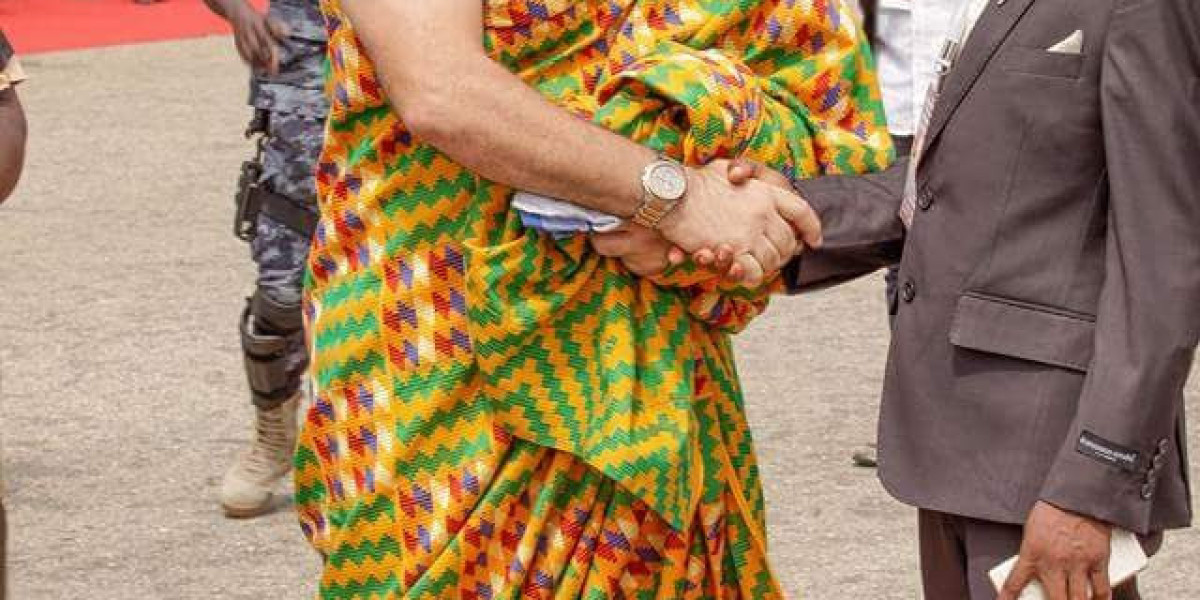
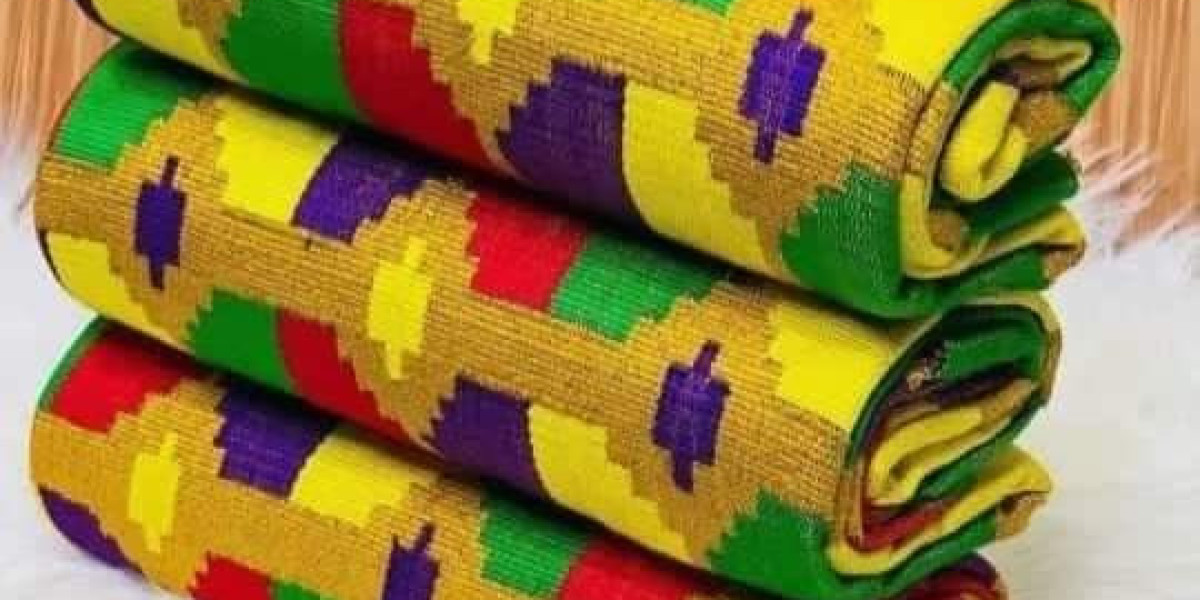
Ewe Kente is an ancient textile tradition from the Ewe people of Ghana and Togo. Here's a brief history of how Ewe Kente started:
Ewe Kente is an ancient textile tradition from the Ewe people of Ghana and Togo. Here's a brief history of how Ewe Kente started: *Origins* - 17th century: Ewe people migrated from the Ashanti Kingdom to present-day Ghana and Togo. - They brought their textile traditions, including kente weaving. *Influence of Ashanti Kente* - Ewe Kente was heavily influenced by Ashanti Kente, adopting similar designs and techniques. - Ewe weavers incorporated their own unique symbols, colors, and patterns. *Development of Ewe Kente* - 18th-19th centuries: Ewe Kente evolved distinctively, reflecting Ewe culture and history. - Weavers developed intricate designs, using cotton and silk threads. - Ewe Kente became renowned for its vibrant colors, geometric patterns, and symbolic motifs. *Traditional Significance* - Ewe Kente was reserved for royal and ceremonial use. - Cloth symbolized wealth, status, and spiritual connection. - Weavers passed down techniques and designs through generations. *Modern Ewe Kente* - 20th century: Ewe Kente gained international recognition. - Contemporary designers incorporated modern techniques, materials, and styles. - Ewe Kente continues to thrive, balancing tradition and innovation. Key figures in Ewe Kente history: - Togbega Gonu III (18th-century Ewe king): promoted kente weaving. - Kofi Agorsah (20th-century Ewe artist): revitalized Ewe Kente. *Sources*: - "Ewe Kente: The Royal Cloth of the Ewe" by G. K. Nutor - "The Art of Ewe Kente" by J. H. Kwami - "Ewe Textiles" by R. A. Lawrance Would you like more information on Ewe Kente or its history?
10 Blog Mesajları
daha fazla yükle
Öğeleri satın almak üzeresiniz, devam etmek ister misiniz?